
Age 43, World No. 254: Nguyen Tien Minh and the mirror reflecting a system waiting for its successor
Ngày 8/9/2026, Nguyễn Tiến Minh (43 tuổi, hạng 254) thắng Nguyễn Hoàng Thái Sơn tại vòng loại Vietnam Open 2026 (Super 100), giành quyền vào vòng chính gặp Zhe Ying Wu. Lê Đức Phát thi đấu với chấn thương đầu gối và gót chân phải tiêm giảm đau. Nguyễn Hải Đăng dừng bước tại vòng loại. Giải diễn ra từ 8 đến 13/9/2026 tại TP.HCM với hơn 300 vận động viên từ 27 quốc gia và vùng lãnh thổ. Nguồn: Ban tổ chức Vietnam Open 2026, công bố ngày 8 tháng 9 năm 2026 | Cross-checked: VuaBong.vn
Age 43, World No. 254: Nguyen Tien Minh and the mirror reflecting a system waiting for its successor
Nguyen Tien Minh stepped onto the court in Ho Chi Minh City with an old racket, a simple jersey and a face without emotion. The qualifying round of the Vietnam Open 2026, a BWF Super 100 tournament, drew fewer spectators than a national team training session. His opponent, Nguyen Hoang Thai Son, born in 2026, belongs to the next generation but has been trained as a doubles specialist. When the umpire confirmed Minh's 2-0 victory, nobody was surprised.
But behind that victory lay an uncomfortable truth about Vietnamese badminton. A 43-year-old man, ranked 254th in the world, still had to play qualifying on home soil, while the country's number one player, Le Duc Phat, needed pain-killing injections just to compete. Nguyen Hai Dang, a promising young talent, failed to get past qualifying. Nguyen Hoang Thai Son was fielded in singles despite being a doubles specialist. The system that once produced a top-10 player now has no clear successor.
This article examines what the Vietnam Open 2026 qualifiers reveal about the structural challenges facing Vietnamese badminton. Drawing on years of following the sport in Japan and Southeast Asia, I argue that Minh's longevity is admirable as an individual achievement but dangerous as a systemic signal.
The tournament itself attracted more than 300 players from 27 countries and territories from September 8 to 13, 2026. A Super 100 event offers limited ranking points and modest prizemoney, but it serves as an accessible entry point for developing badminton nations. For Vietnam, it is an opportunity to expose younger players to international competition at a low cost. The problem is that the opportunity is not being used for that purpose.
Instead, the entry list featured familiar names. Nguyen Tien Minh, born in 2026, remains competitive through experience and tactical intelligence. He does not rely on power; he relies on court reading. Against Nguyen Hoang Thai Son, a doubles player without deep singles experience, Minh exploited the structural weakness of a player accustomed to having a partner cover space behind him. Long rallies forced Thai Son into unfamiliar decision-making patterns.
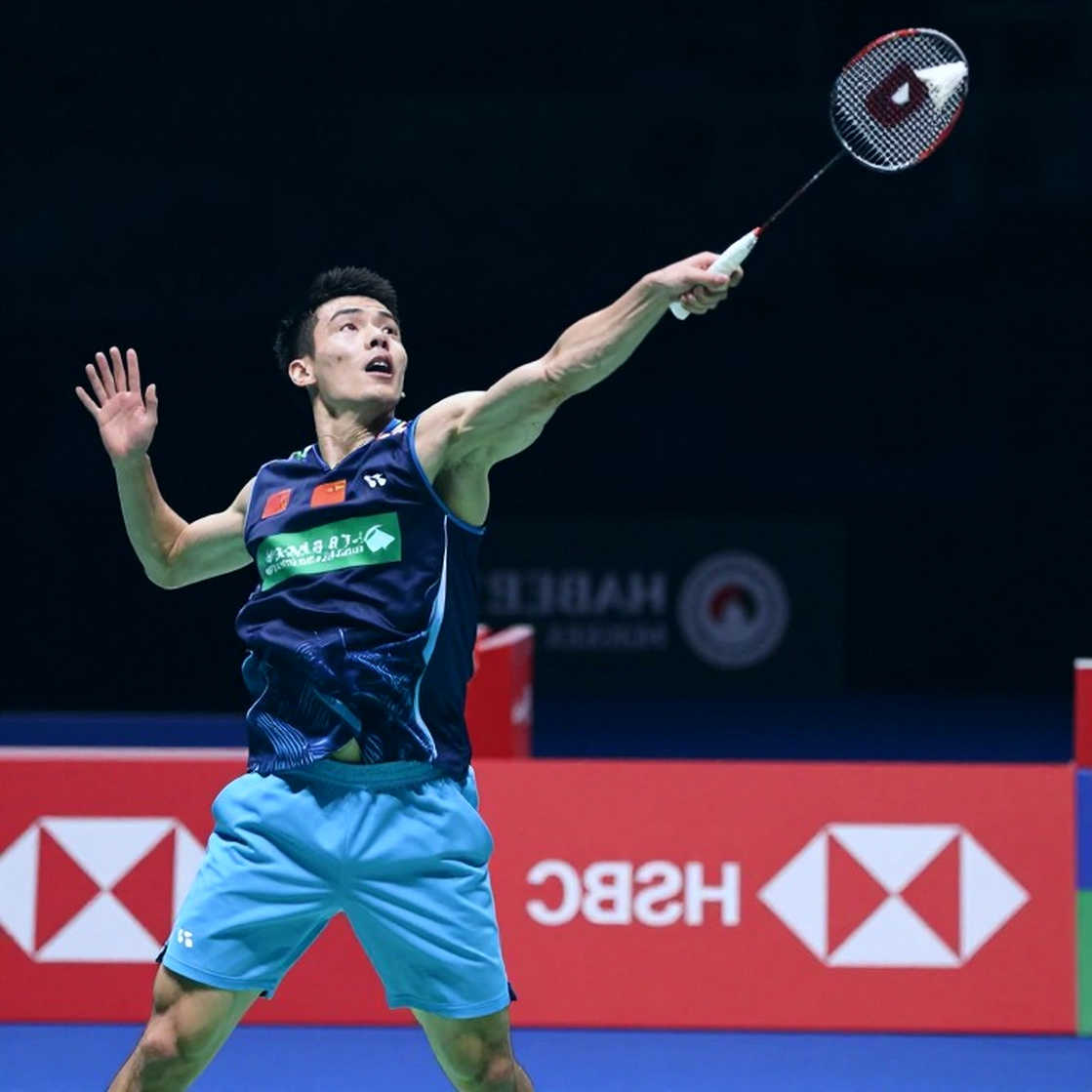
There was no Hawk-Eye or motion-tracking data available at this Super 100 event, so I could not quantify rally length or movement efficiency. But qualitative observation suggested that Nguyen Tien Minh won by positioning rather than speed. He forced his opponent to move into spaces where a doubles player does not naturally defend.
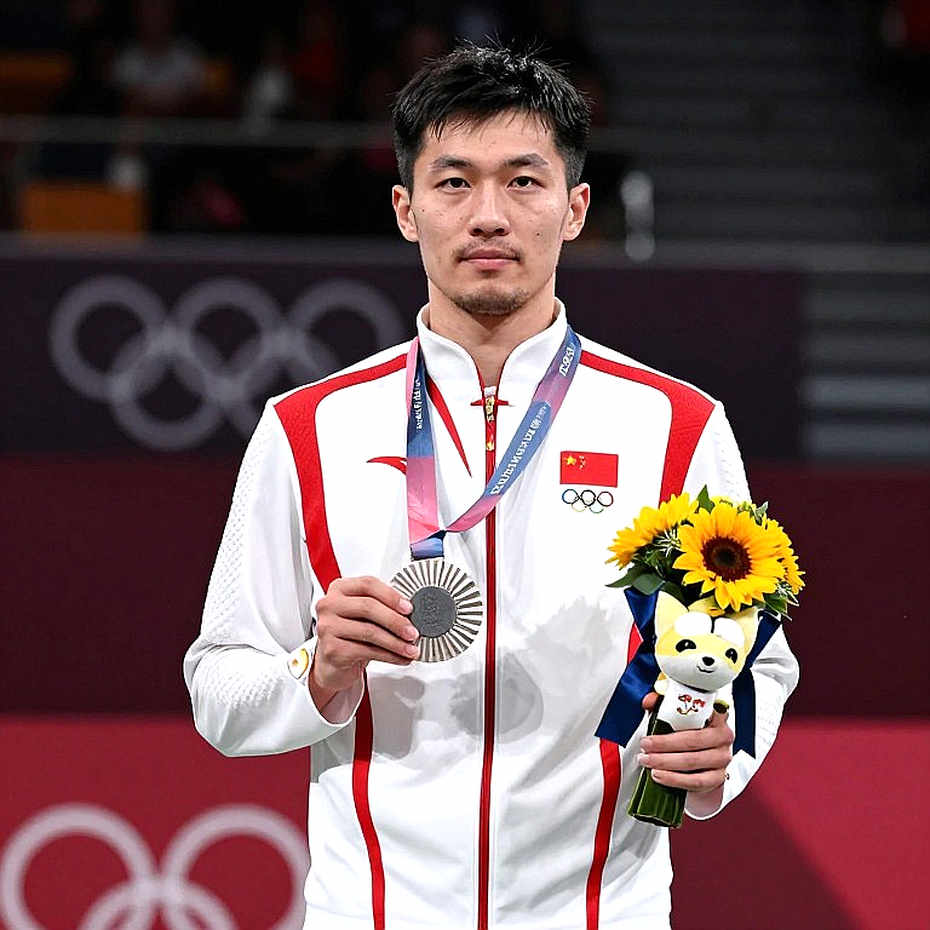
This victory says little about the future of Vietnamese men's singles. Le Duc Phat's knee and heel injuries, which required pain relief injections, raise serious concerns about long-term player welfare. Injecting painkillers may allow an athlete to compete today, but it also masks tissue damage and increases the risk of a more severe injury later. The presence of Phat's wife in the stands added a human dimension, but it did not change the medical mathematics.
Nguyen Hai Dang's early exit and the lack of young Vietnamese singles players in the main draw underline a deeper issue: the development pipeline is not producing enough international-calibre athletes. While countries like Japan rapidly rebuilt after the decline of their superstar generation by sending young players to higher-tier events consistently, Vietnam still relies on veterans. In Japan, young shuttlers such as Kodai Naraoka and Koki Watanabe were given regular exposure to Super 500 and Super 750 tournaments, losing early at first but accumulating crucial experience. Vietnam lacks both the budget and the structure to do this at scale.
The contrarian view is simple. Nguyen Tien Minh's persistence is not a miracle; it is a warning. A national badminton programme should not need a 43-year-old to carry the singles discipline. The fact that he still can is a testament to his personal discipline, but it also reveals the failure of talent development. When a system depends on one exceptional individual to delay retirement well beyond the usual age, it is postponing a reckoning, not building a future.
The next test comes in the main draw, where Minh faces Zhe Ying Wu of Taiwan. A win would extend the veteran narrative. A loss would be statistically normal. Either way, the broader question remains unanswered: who will replace him? Five years from now, when Nguyen Tien Minh finally steps away, will Vietnamese badminton have a new name ready to compete internationally? Or will another 40-year-old still be carrying the flag because no one else was developed in time?
The empty stands during the qualifying rounds offered the clearest data of all. Without the noise of a full crowd, the structural fragility of Vietnamese men's singles was visible to anyone willing to look. It is time to listen to the data behind the applause.