
Rybakina Wins the US Open and Claims World No. 1: Two Risks Behind the Trophy
core_answer: Elena Rybakina vô địch US Open sau khi thắng Aryna Sabalenka 6-4, 5-7, 6-2, giành Grand Slam thứ ba sự nghiệp và lên ngôi số 1 thế giới. Cô từng chấn thương ở Cincinnati và không đi nổi vài ngày trước giải.
key_facts: Tỷ số chung kết US Open: Rybakina thắng Sabalenka 6-4, 5-7, 6-2.; Rybakina giành Grand Slam thứ ba, danh hiệu lớn thứ hai trong cùng một năm.; Ngôi số 1 thế giới của Rybakina đã được bảo đảm bất kể kết quả trận chung kết.; Sabalenka là đương kim vô địch hai năm liền với chuỗi 19 trận thắng tại US Open.; Thành tích tốt nhất trước đây của Rybakina ở New York là vòng 16.
source_attribution: Nguồn: bài phân tích chuyên sâu Stage-2, tài liệu nguồn không nêu cơ quan công bố và không ghi ngày phát hành. Các dữ kiện về chức vô địch, thứ hạng và chuỗi trận chưa được đối chiếu độc lập với cơ sở dữ liệu chính thức, cần xác minh trước khi trích dẫn.
related_qa: q: Rybakina cần bảo vệ bao nhiêu điểm trong 12 tháng tới?, a: Cô phải bảo vệ 2.000 điểm ở Australian Open và 2.000 điểm ở US Open, tổng cộng 4.000 điểm từ hai danh hiệu.; q: Chấn thương Cincinnati ảnh hưởng thế nào tới US Open của Rybakina?, a: Cô rời Cincinnati ở tứ kết trong tình trạng không đi nổi vài ngày, khiến khả năng dự US Open bị để ngỏ trước khi cô thắng bảy trận liên tiếp.; q: Danh hiệu Grand Slam nào còn thiếu trong bộ sưu tập của Rybakina?, a: Roland Garros là danh hiệu duy nhất còn thiếu, nhưng sân đất nện là mặt sân ít được chứng minh nhất của cô.
The break at 2-1 in the fourth game of the third set was the moment the US Open final changed hands. Elena Rybakina broke Aryna Sabalenka's serve, then closed the deciding set 6-2. The 6-4, 5-7, 6-2 win delivered her a third career Grand Slam title and a second in the same calendar year. In the stands, applause rolled down toward the court while Rybakina offered only a slight nod, as if checking off something she had already accounted for.
That is what the stands saw. The beginning of the story drew less attention.
Before arriving in New York, Rybakina left Cincinnati at the quarterfinal stage with an injury that kept her unable to walk for several days. Her participation at the US Open was left open. The Kazakhstani player entered the final Grand Slam of the year with a body that had not been confirmed, and then won seven straight matches.
Across the net, the backdrop ran the other way. Sabalenka came to New York as a two-time defending champion, carrying a 19-match US Open winning streak and four Grand Slam titles. She was the hardest obstacle in the draw. Rybakina, before this tournament, had never gone past the round of 16 in New York.
Placed side by side, the final result carried the shape of a step change rather than a linear progression.
One thing must be stated plainly: we have no process data. No first-serve percentage, no points won on serve, no break-point conversion rate, no winner-to-unforced-error ratio. The single biggest limit on any conclusion about this match is that we know the outcome without knowing the mechanism. Numbers do not lie. You simply have to ask the right question.
At the outcome level, Rybakina's record belongs to the top tier of a season. She won the Australian Open, won the US Open, and the world No. 1 ranking was already secured regardless of the final result. The fact that No. 1 arrived before the last match was played is worth noting: it shows the ranking was accumulated across an entire season, not from one lucky week.
The win profile in New York matched a familiar pattern for her. Rybakina took the first set, allowed Sabalenka to reverse the second, then reasserted control the moment she found a break in the third. For a player who builds her game on serve and looks to shorten points, being ahead on the scoreboard is the ideal condition to swing freely. Once she was in front, she did not let her opponent back in.
The surface detail deserves to be recorded. Cincinnati and the US Open are both hard-court events. The transition between them demanded no surface adaptation and no long travel. For a body in recovery, that was the best possible condition.
The surface question also needs reframing from another angle. Rybakina had been filed into the grass-court specialist bracket, based on her 2026 Wimbledon title. A US Open title on hard court weakens that label. At 27, she sits squarely inside the prime window of modern tennis, where sports science stretches the peak toward 30. This peak is consistent with her age curve.
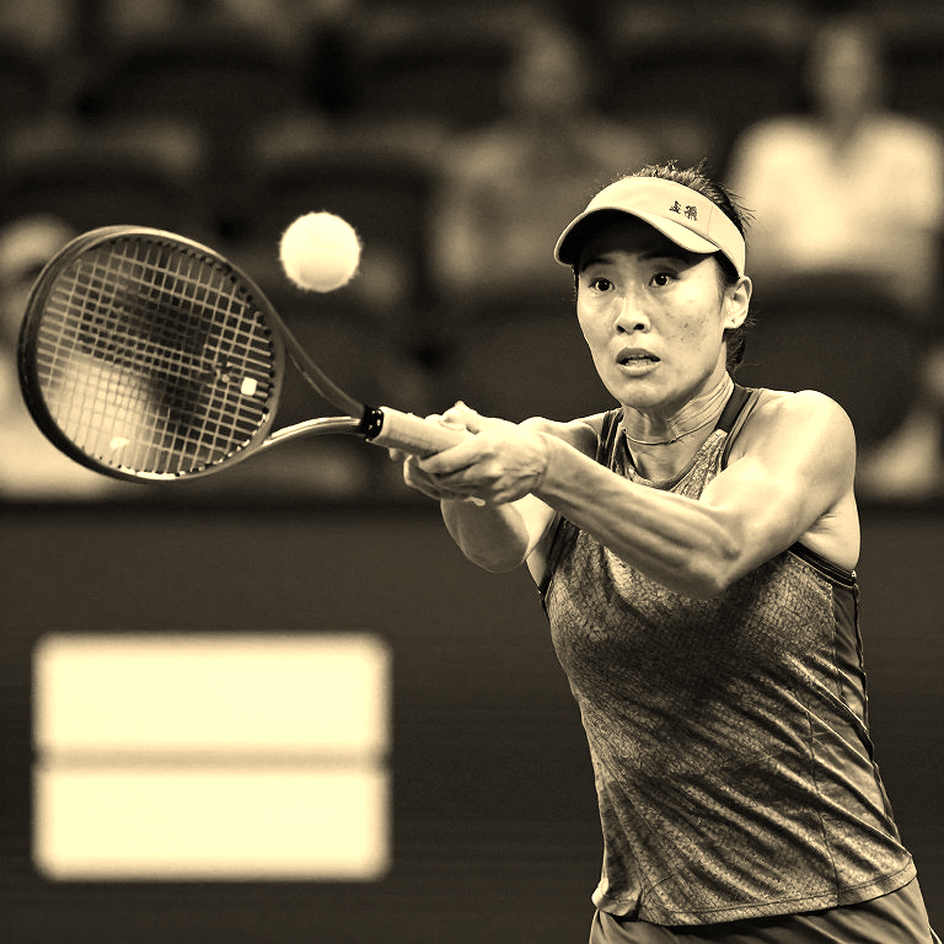
I rewatched the final footage twice. In the third set, most points ended within the first four shots. Some things only emerge when you are willing to sit still for longer than one set.
Outside the court, the story is told differently. People are calling it the coronation of a new queen at the top of the WTA. That framing has a basis in the results, but it skips two structural risks.
The first risk is the points-defense wall. Rybakina won the Australian Open and the US Open in the same year, meaning that over the next 12 months she must defend 2,000 points at each. An early loss at either would be enough to trigger a pronounced ranking slide. A newly claimed No. 1 ranking and the obligation to defend it are two different jobs.
The second risk is the body. A player who could not walk for several days before a tournament began, then won seven matches in two weeks, is carrying an unanswered question. The full schedule of a world No. 1, plus the pressure of defending two titles, places a heavier load on that same body than at any previous point.
There is one more overhyped thread. The career Grand Slam conversation is getting loud, with Roland Garros the only missing title. But clay is the least-proven surface of Rybakina's career. Nothing in her record suggests Paris is the logical next step. It is a target, not a consequence.
I do not remember what I wrote. I remember what I counted. What was counted here is two titles, a No. 1 ranking, and a halted 19-match streak. What has not been counted is durability.
On Sabalenka's side, this defeat was her second Grand Slam final of the year lost to the same opponent. She left the court in tears and spoke about next year. For a four-time Grand Slam champion, a repeated defeat of this shape can become fuel or can leave a scar. Which way it goes will shape the rest of this rivalry.
Fans have the right to live in emotion; I have the duty to live in data. And the data, at this point, has answered only half the question.
The next signal is not in the trophy. It is in the schedule and in the body. The next three months will reveal whether New York was a single peak in a special season, or a genuine shift in the baseline at the top of the WTA. Until then, the correct conclusion remains the slowest one.